Visible to the naked eye, surrounding【land】There are more and more narrative brands.
singleUpstream traceability,orCertificate of originis no longer enough to summarize this booming trend.
But to put it bluntly, “it’s better to certify the product with its place of origin”.Version 1.0The land marketing logic, story and terroir are the endorsement of the product.
This kind of narrative is very good and very effective, but after watching it more often, you will inevitably expect something new and different.
Recently I have observed that some brands’ land narratives have emergedVersion 2.0tendency.
How to understand life based on “where do I come from”?assets, time, risk, and the relationship between humans and naturethe brand obviously wants to say more.
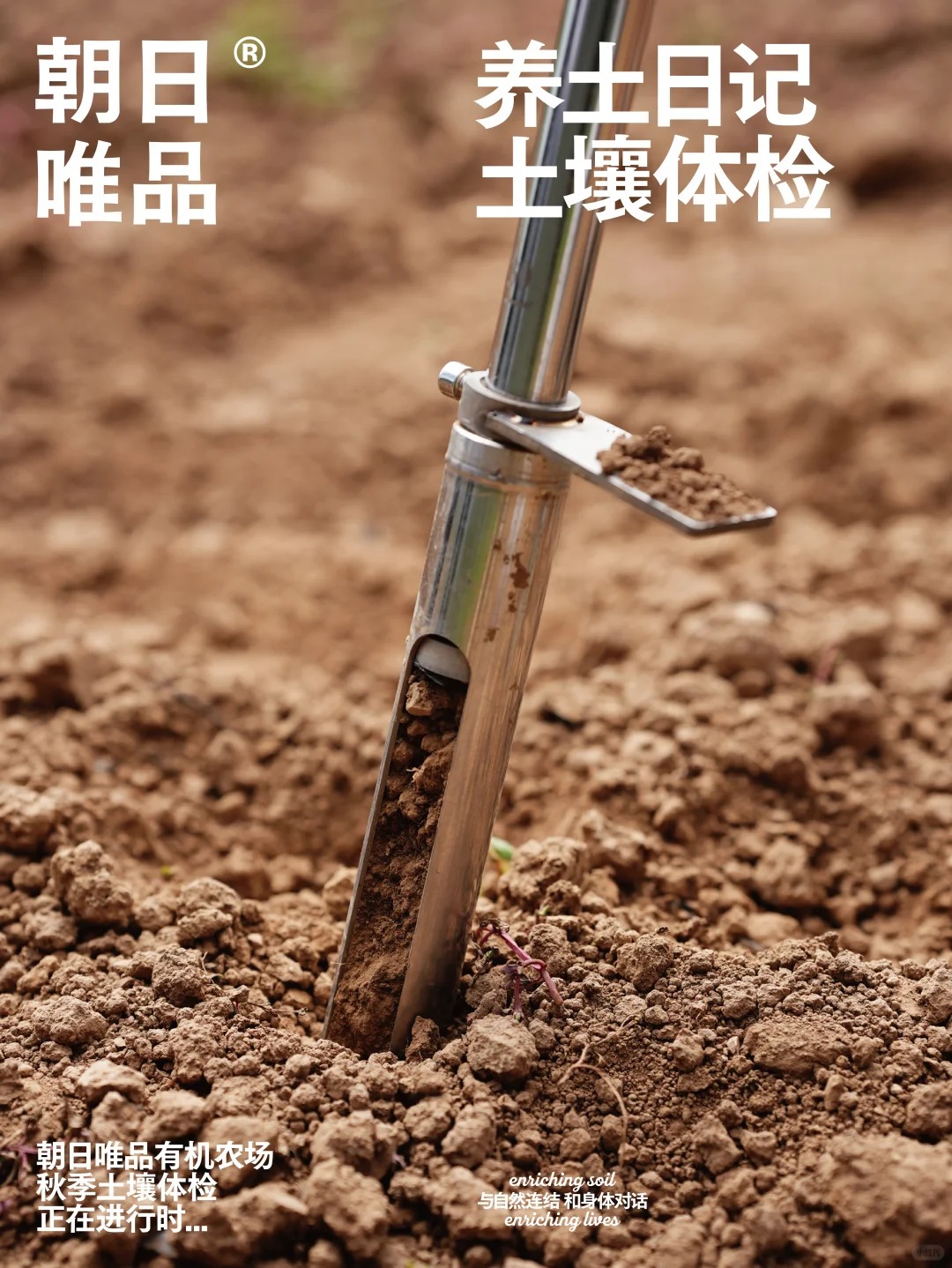
Asahi Vipshop recently completed its autumn “soil physical examination”
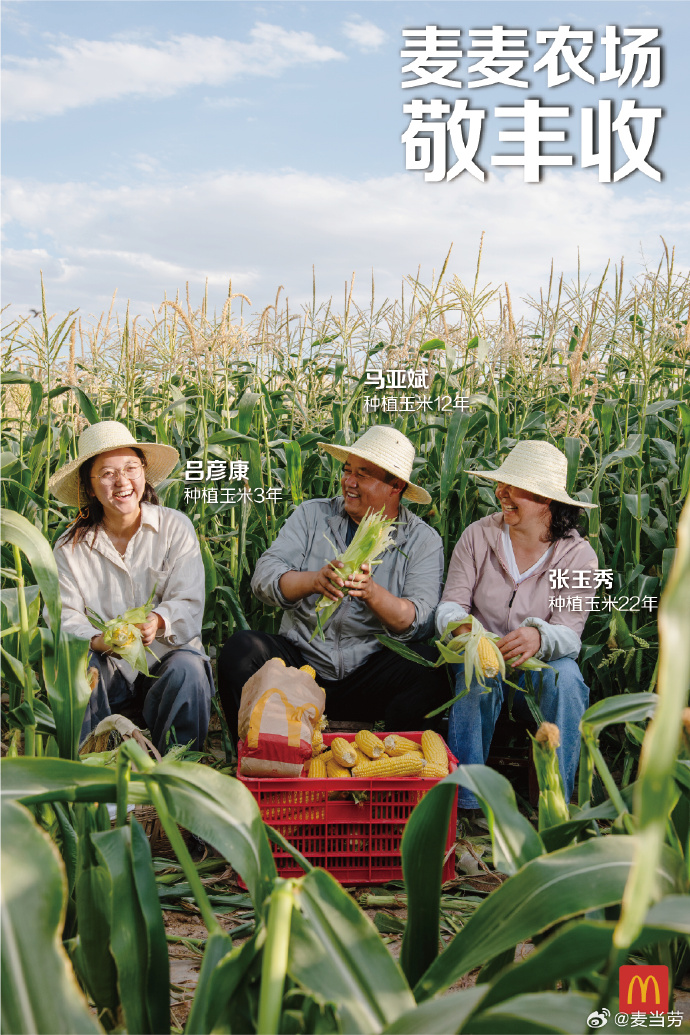
McDonald’s turns its lens on farmers on the farm
Bringing people involved in food production to the forefront
1436’s 20th Anniversary Exhibition “Before Softness”
Tracing back to the land, life, fiber and perception behind cashmere.
“All lasting things come from slow persistence that is not seen”

In this rich brand expression, I see an implicit change,
Version 2.0 of land marketing,
The brand begins to embrace the land itself, including its uncertainty and failure to cooperate or even give results.
This is in contrast to the business logic we are familiar with. We live in reinforced concrete cities and are accustomed to instant feedback and using data to measure input and output, but the land has its own time and maintains an ancient rhythm.
This is also what I think is interesting about this wave of land narratives. It begins to carry a kind of【reality】and【slow】response.
The following brands provide different references.
one
Frankly present the “true” logic,
Not just “good” logic
If you have ever grown vegetables, you probably know that feeling.
After you bury the seeds in the soil, it’s hard to decide what happens next. Weather, pests, fertilization, weeding, the variables that the sower can control are actually very limited.
More often than not, we can only work diligently and wait patiently.
It brings uncertainty head-on. Abundant fruits are only one possibility. The other side is full of limitations.Not every investment can bring you the expected results.
On a larger scale, this is about gains and losses, and also about how people understand and face those parts that cannot be fully controlled when they get along with nature.
so,
If the brand only talks about how the land makes the product, but does not pay much attention to the land itselfcomplexityavoid talking about it,
Then it still tells a homogeneous “good” story, which is not enough to constitute a complete narrative barrier.
So, how to tell different stories about the land?
Grid Coffee’s “Impossible Plan” raises a question that sounds whimsical:
Can coffee be grown to produce the aroma of rice?
In 2026, Grid Coffee launched this long-term origin experiment at Qiupo Manor in Cangyuan, Yunnan, trying to grow coffee and rice on the same land, and explore the relationship between coffee-rice symbiosis and coffee flavor.
The growth habits of the two are completely different. Planting them together means facing a series of unknowns such as crop growth, field management and actual output.
The brand named it “Project Impossible”, directly presupposing a problem that has yet to be verified as impossible.
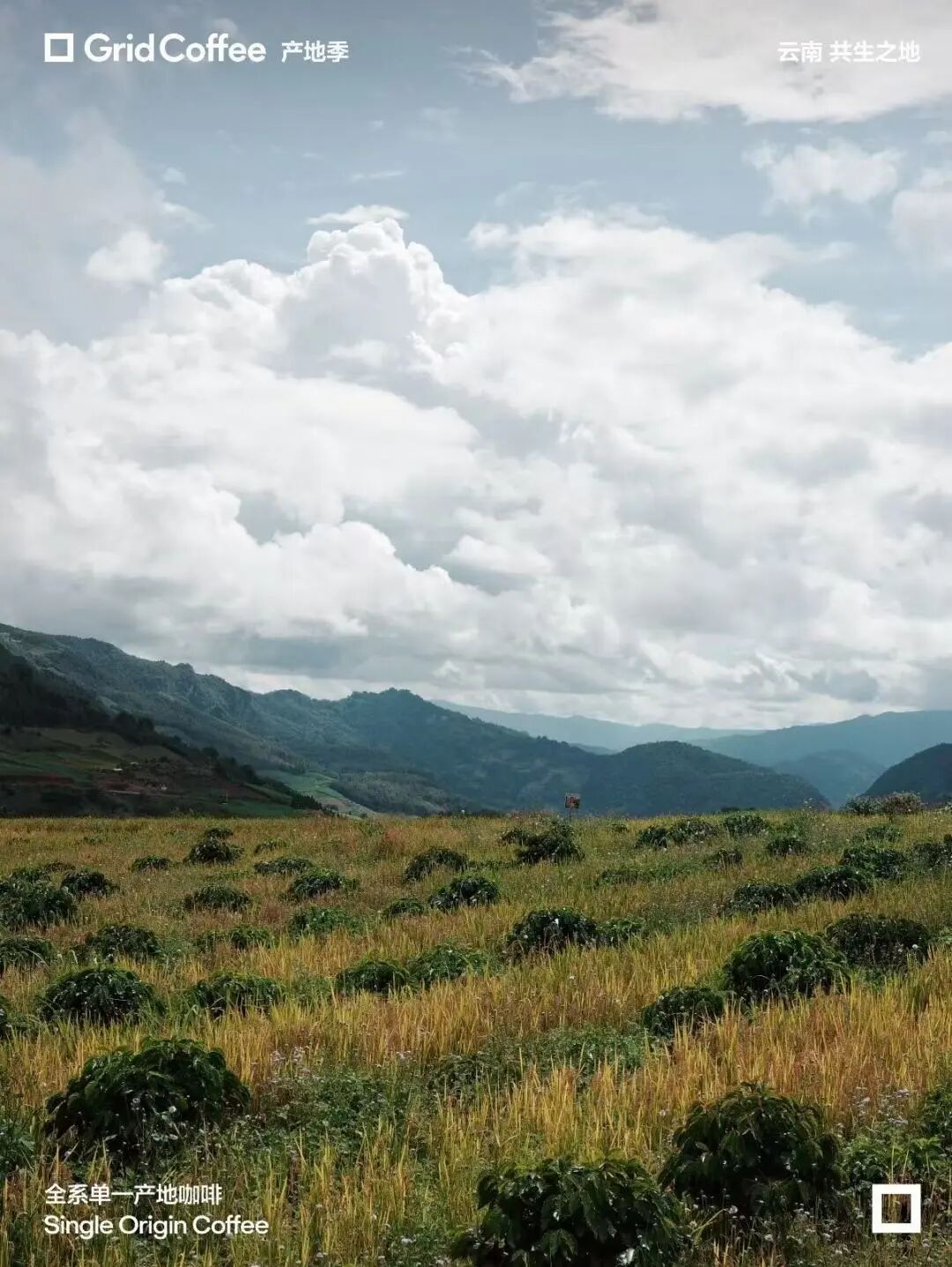
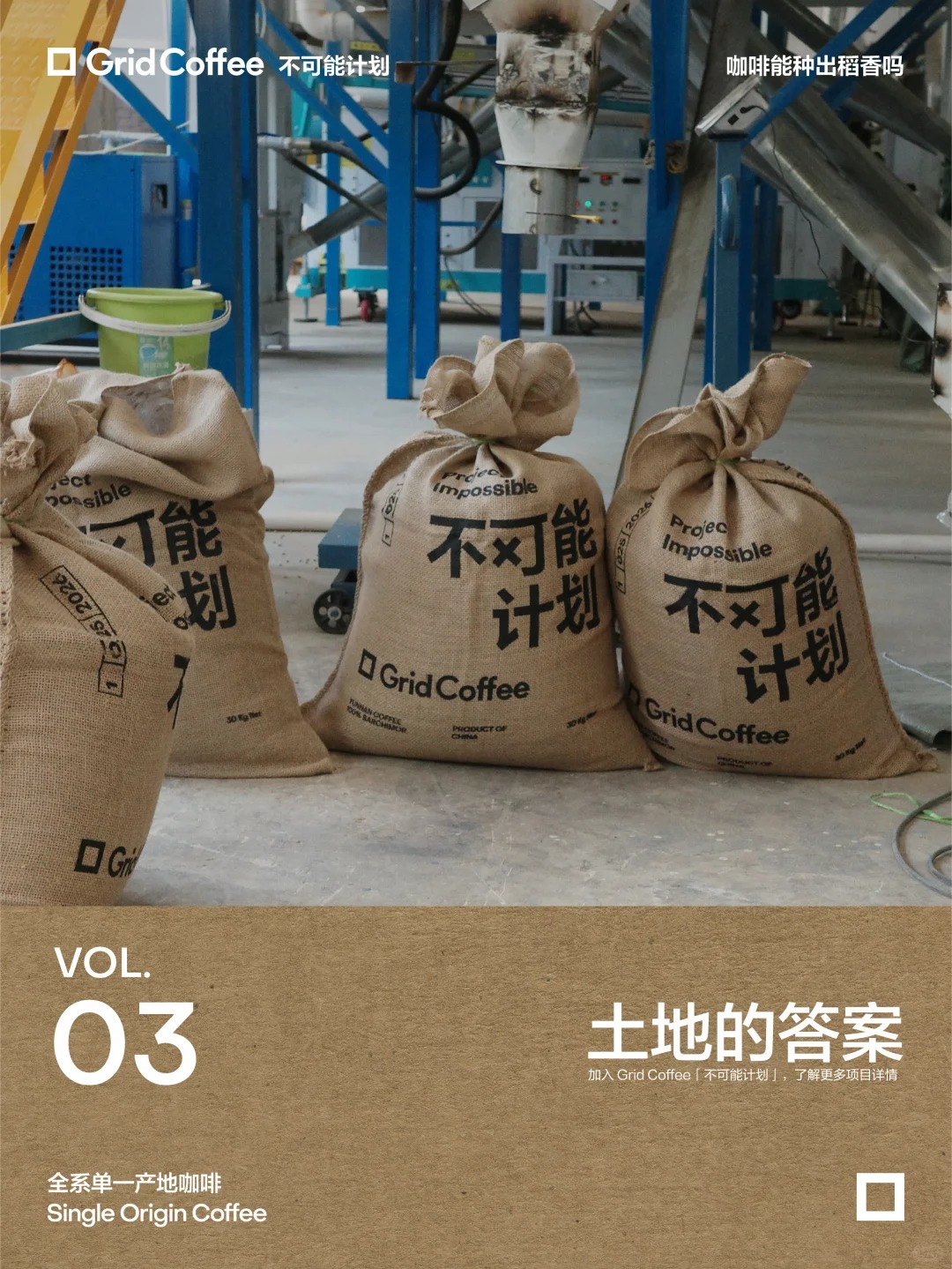
Its conflict lies in that,It poses a difficult problem that the brand has not implemented before and honestly documents the process of solving it.
Can coffee and rice coexist?
Can this growing method bring new flavors to coffee?
What will be the final result of the experiment?
Climate, growing conditions, crop growth and experimental results move from background to foreground, becoming themselves part of the story.
In 2026, a cold wave and frost damaged the coffee trees participating in the project. Grid Coffee and Qiupo Manor responded by redistributing seedlings to farmers for free, covering more than 300 acres of land affected by the disaster, even to farmers who did not participate in the plan initially.
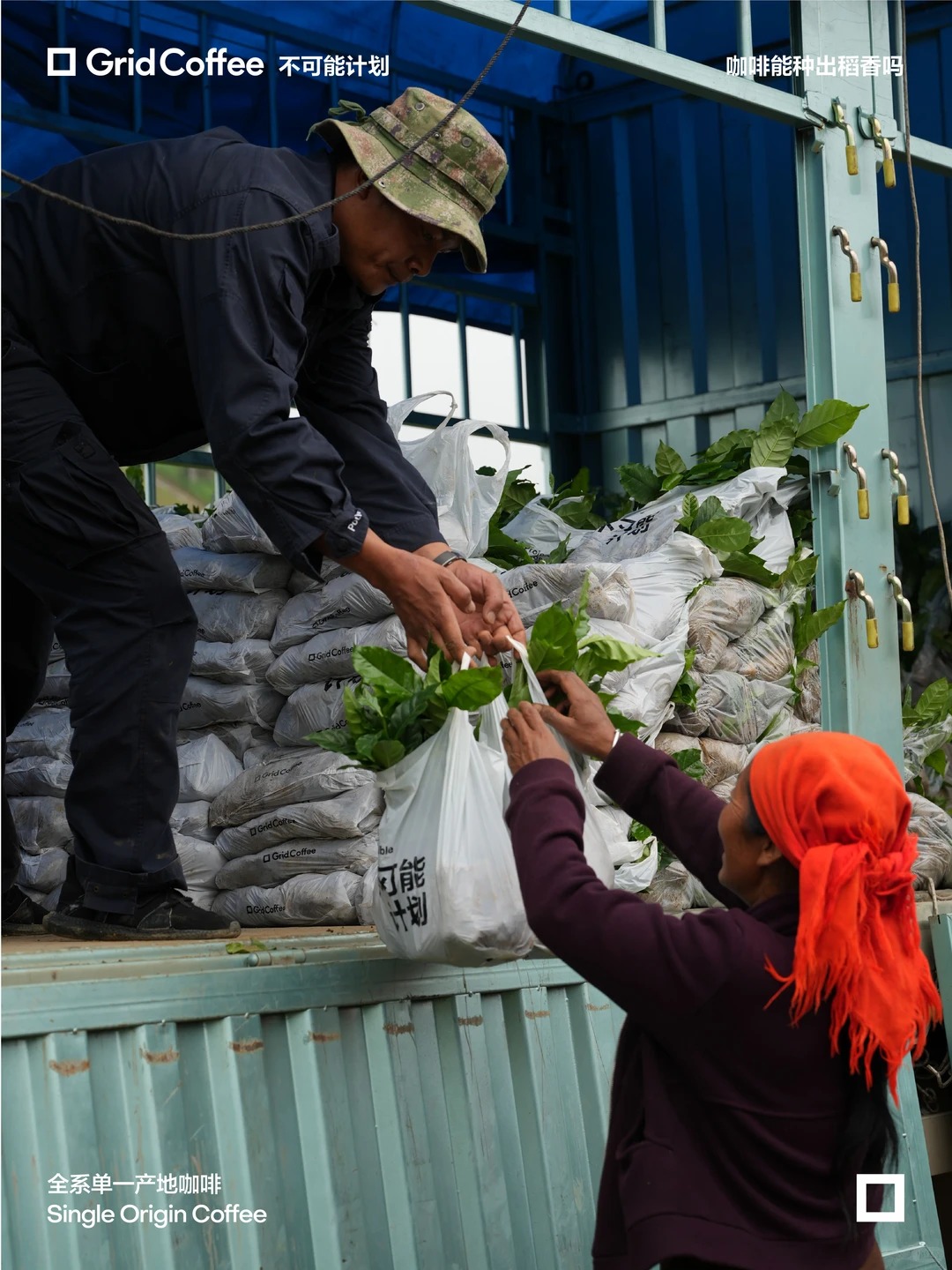
It does not need to wait until the experiment is successful before making it public【Storytelling】。
From the first day of the project, production reductions, climate setbacks, and growth data can all be made into a continuously updated content archive. This allows brands to continuously record a process that has not yet been completed.There is no need to rush to package every step[correctly and successfully].
Even when things go awry from plan, the brand remains present. This kind of land narrative goes beyond simply showing the origin, and also shows how people find new possibilities in real accidents.
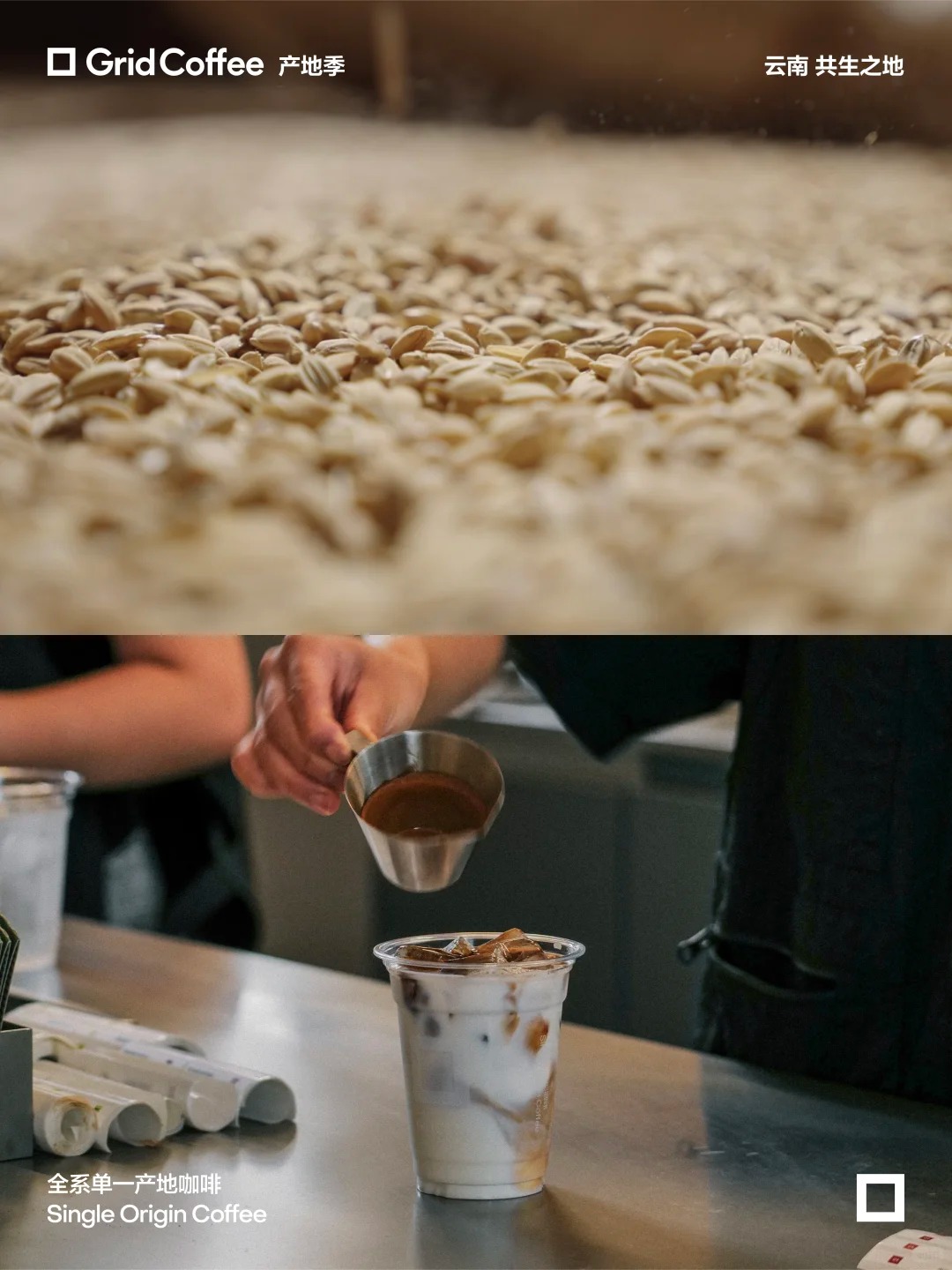
Grid Coffee turns upland rice from the Impossible Project’s experimental fields into rice milk
Self-developed coffee rice milk, paired with new season Yingge to make rice latte
Of course, asking a bold question may not, by itself, be enough to build trust.
The formation of trust requires continuous recording of the experimental process, presenting phased results, and calmly facing questions that currently have no answers.
From exploring whether coffee and rice can coexist, to trying to find more diversified sources of income for coffee farmers, the “Impossible Project” is trying to tell more than just the flavor of coffee itself.
The land here is not only the origin of the products, but also the starting point for the brand to continue to explore new possibilities.
two
Brand time and land time
Grid Coffee shows how to face the uncertainty of land, and the story of Asahi Vipshop points to another question:
When the land takes a long time to change, how do brands deal with it?
Land is anti-brand.
Brand communication, pursuing quick results. However, crops will not mature in advance because of the “new product release”, and the soil will not accelerate the recovery of fertility because the KPI is approaching.
It is not that simple to make the land truly produce safe and healthy food. The land must be “nurtured”, and the suitability of the soil will be affected by various factors such as surrounding water sources and industrial pollution. If you want to eat safely and healthily, “good soil quality” is the source of everything.
The story of Asahi Vipshop’s soil cultivation begins in 2003.
At that time, in order to improve the soil and explore ways to solve rural problems, the Shandong Provincial Government cooperated with Japan and selected 1,500 acres of land in Laiyang, Yantai, Shandong, to start an organic recycling farming experiment.
For the first five years of the project, the main mission of the land was toRestore soil fertility。
The team gradually restores the ecological vitality of the land through natural composting, manual weeding, and manual insect catching. Later, cows were also included in this recycling system. The cow dung was processed and turned into organic fertilizer, and part of the crops grown on the farm were used to feed the cows.
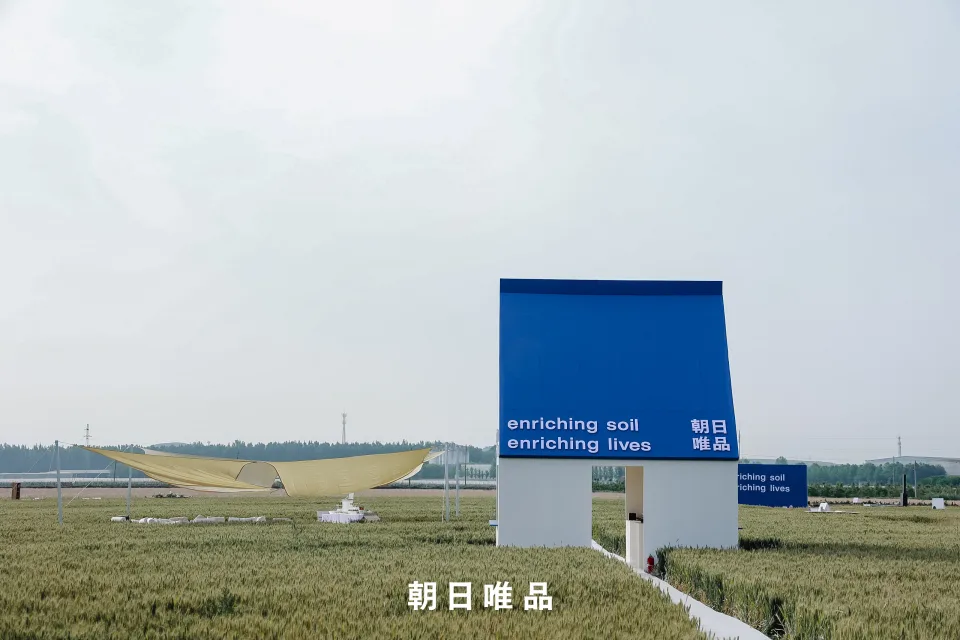
From the beginning of exploring circular farming in 2003 to the completion of the brand team assembly in 2021, Asahi Vipshop spent nearly two decades to gradually precipitate land practices into a complete brand expression.
“Recycling farming, naturally producing delicious food” is its brand concept.
Rather than using the place of origin as proof of quality, Asahi Vipshop wants to present a complete set of production relationships: how the soil is maintained, how the crops grow, how the cows are raised, how the farmers work, and how these links circulate with each other.
This set of brand actions is systematic and presents a complete set of production relations.
Asahi Vipshop introduces it this wayOwn:
We have a simple and firm belief:The way we farm and eat can change the world for you and me.
With the Morning Club community as a link, through environmentally friendly sustainable practices and holistic life lifestyle experience, Connect with nature and talk to your body.
The land is our inspiration, and our own organic farm carries peace of mind and delicious food.
Farmers are our heroes, focusing on the growth of crops inch by inch.
Cows are our muse. On the ranch, they draw energy from the wilderness.
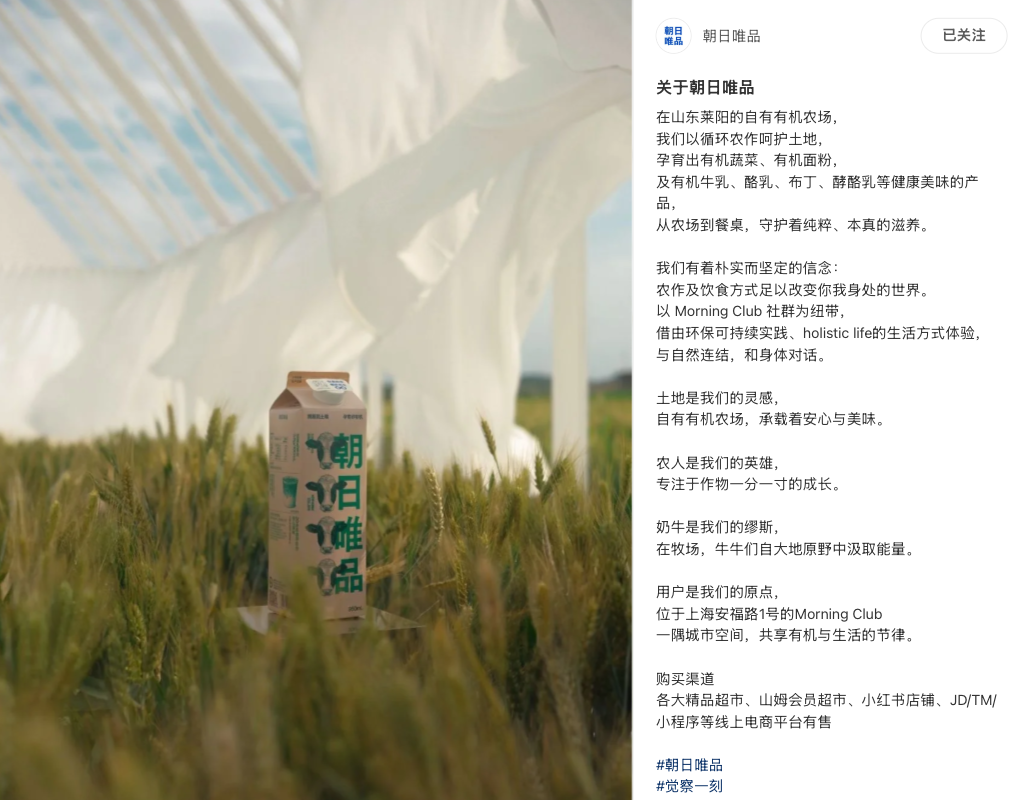
Asahi Vipshop’s brand communication rhythm also echoes this long-term production model.
The rhythm of their content follows the phenology of the four seasons and the rhythm of the land for communication, rather than the traditional node marketing idea.
For example, brands place their annual brand day on World Environment Day, which falls on June 5, which is often the day of the Mango solar term.Ear seeds are in the busy farming season, connecting sowing and harvesting. Putting the annual Brand Day on this day allows brand expression to be naturally embedded in the production order of the land.
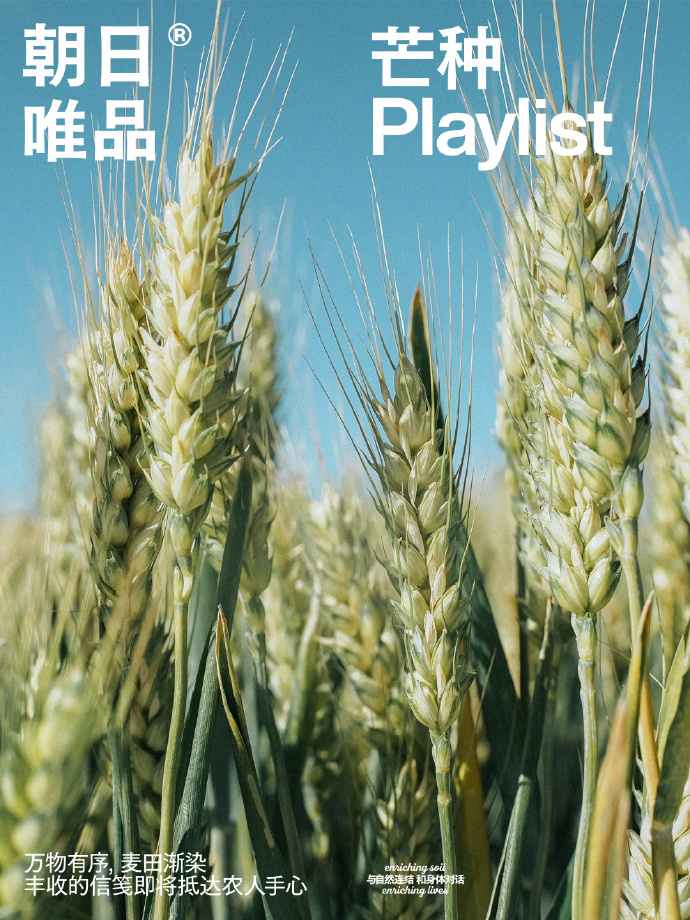
it is alsoThe first company in the industry to publish the “Soil White Paper”on World Soil Day on December 5 for many consecutive years, the “Soil White Paper” was released in conjunction with Qingdao Agricultural University, China Agricultural University and other universities. Publish testing data on soil organic matter content, pesticide residues and antibiotics.
In 2025, the brand will upgrade its annual soil testing to dual-season testing to continuously observe changes in soil status during different growth cycles.
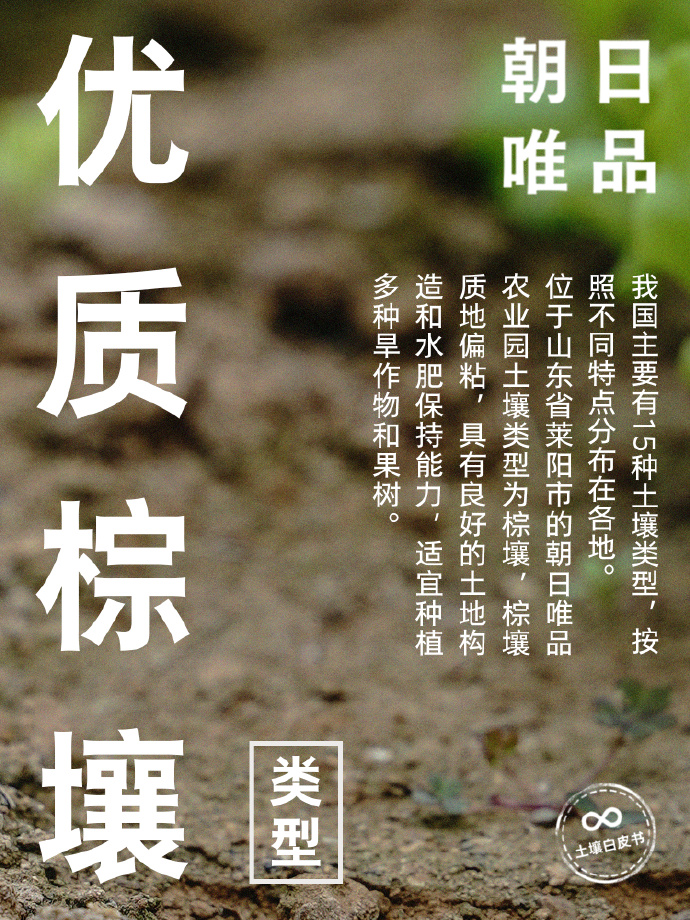
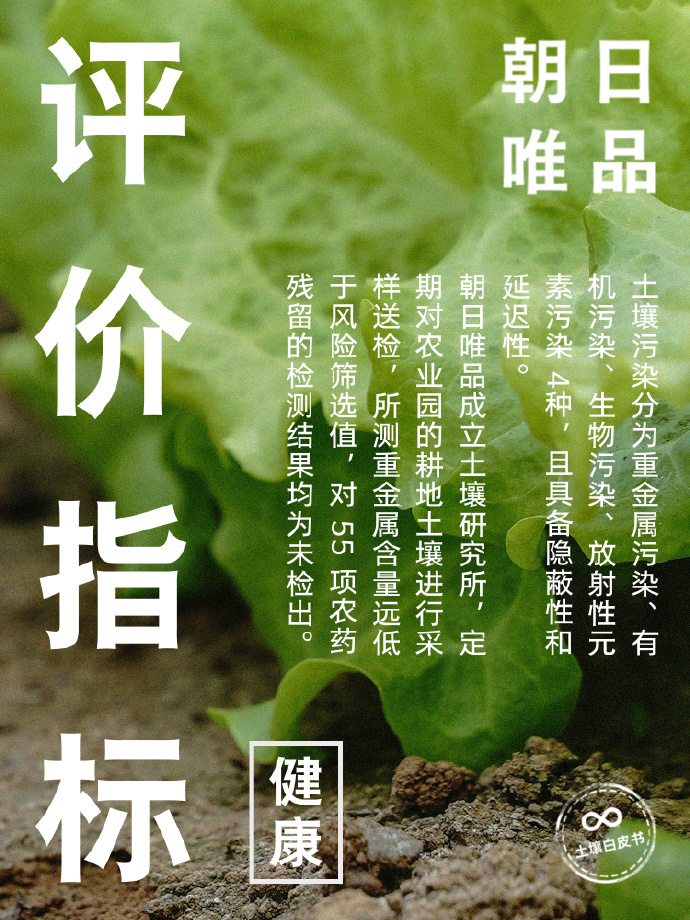
also,"Organic private farm"Under the plan, members can claim an exclusive vegetable plot, observe the growth of vegetables in real time on the cloud, and even go to the farm to harvest in person.
At this point, a more concrete connection has been established between land and consumers:
From understanding why land is important, to seeing how farming systems work, to participating in them firsthand. The abstract organic concept gradually fell into concrete daily experience, and extended into fixed content columns such as “Awareness of the Moment”.
The land itself has become the source of the brand’s continuous narrative.
Brands do not have to temporarily create stories for marketing nodes. On the contrary, long-term land practice first forms the core of the brand, and marketing then constantly looks for suitable ways to translate it to consumers.
In 2023, the second phase of the Vipshop Shandong Ranch project with a total investment of 350 million yuan will start. For Asahi Vipshop, the story of land continues.
three
When land becomes a philosophy and an outlook on life
Here, I also want to talk about a brand: Sweet in Salt.
Yanzhongtian is a pickle brand owned by Yimiba Agricultural Technology Group invested by Jack Ma. The operating company will be established in August 2023, and the brand will be officially launched in September 2024. It attempts to use probiotic fermentation technology to explore another possibility of pickles and solve people’s concerns about pickles being high in salt and not healthy enough.
But I’m more interested in the name than the product.A good name is often the starting point of a brand narrative.
According to Yu Ting, CEO of Yimiba Food Technology Co., Ltd., during his and Ma Yun’s inspection in Tasmania, Australia, Ma Yun said: “Read thousands of books and travel thousands of miles. Experience thousands of waves and taste the sweetness of salt.”
This is where the brand gets its name.
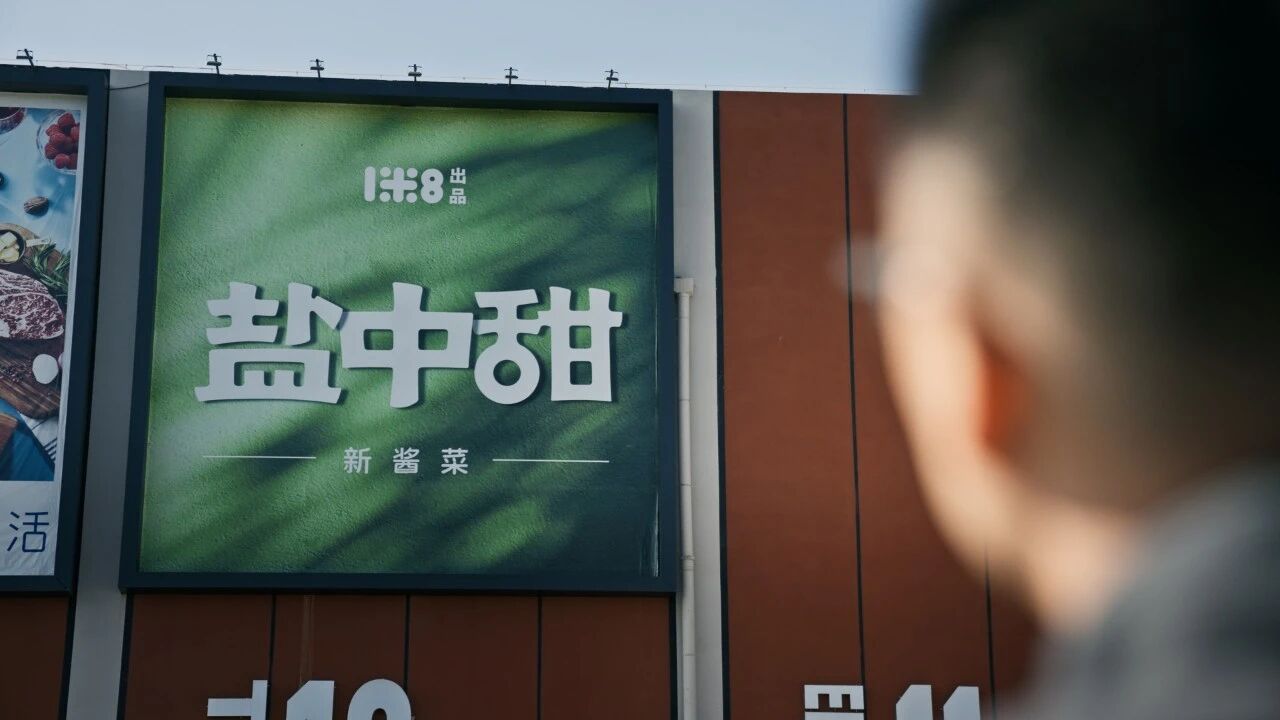
This is a name worth recalling, because salt in pickles is never just for seasoning.
Before the advent of refrigeration, vegetables existed only during their season. To save the summer and autumn harvests until winter and the lean months, the only way people can rely on is salt.
Therefore, pickling is not so much a craft as it is a compromise between people and the rhythm of the land.The land is not suitable for sowing and harvesting all year round, and people can only find ways to do so under limited conditions.
The saltiness of a jar of pickles records the limitations of the land.
What Sweetness in Salt does is break this limitation.
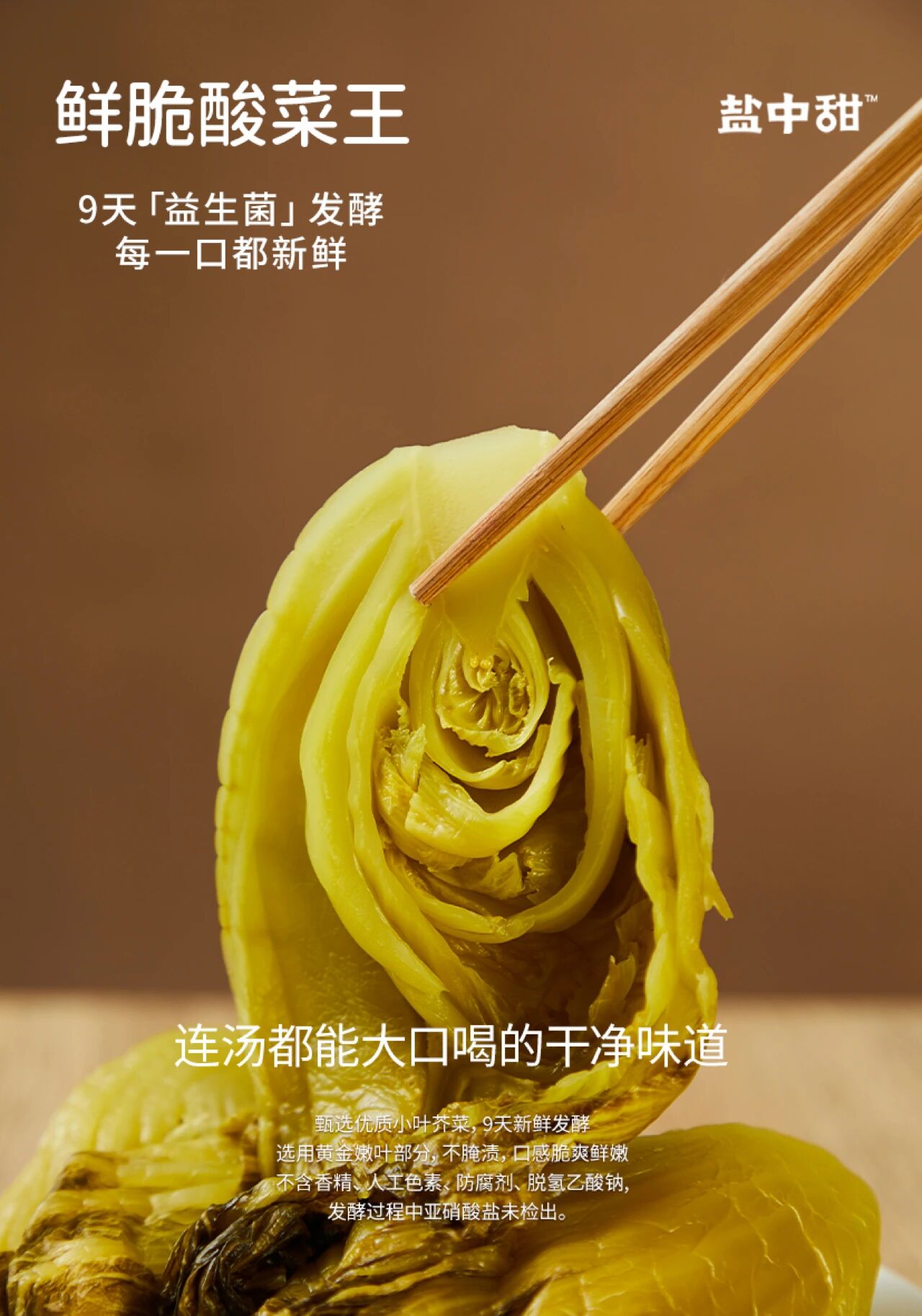
The brand’s slogan is “New pickles, no pickling”, using probiotic direct fermentation to replace traditional high-salt pickling, so that salt no longer has to bear the task of preservatives. Salt has not disappeared, it has just changed from having to be used to being able to use it less. In the past, it was salt that carried the land seasons for people, but now this job is given to bacteria.
It’s obviously a reduction in salt, but the name still retains “salt” and puts it as the first word.
Jack Ma’s words talk about a life of first experiencing saltiness and then tasting sweetness. When viewed in the context of the history of pickles, it happens to be the logic of the land:
Accept the limitations of conditions and look for possibilities within limitations;
Acknowledge the complexity of things and believe that value can be generated through transformation.
The sweetness in the salt presents a subtle dislocation. The product is getting rid of the constraints of the land little by little, but the name tells the attitude that the land teaches people.
From this perspective, what the land brings to the brand, in addition to differences in origin, raw materials and flavor, can also be a metaphor for understanding life.
When you and I buy something, we may not think much about it when we see it for the first time, but if we suddenly chew on the name at some point, it may bring another layer of feelings.
Four
Retreat to the land and thank those uncountable coincidences
The relationship between people and land is older than all commercial narratives.
From the moment the first seed falls into the soil, land is the ultimate source of food, security and identity for humans. We bend down and work to understand the world and life. The four seasons teach people to wait, the harvest brings comfort, and the water and soil slowly internalize people’s memories, habits and sense of belonging into a part of themselves.
Today, people are looking for land again, which is more like a retreat.
On the one hand, there is anxiety about trust in prepared dishes, and on the other hand, there is the ultimate efficiency of business and AI.
The desire for “realness” and “waiting slowly” is the reaction force after modern business reaches its extreme. Brands talk about land, and it is this force that they catch.
But it can be predicted,When more and more brands begin to talk about land, the land narrative will most likely be the same as words like “Oriental aesthetics” and “long-termism”. It is refreshing at first, and then copied in large numbers by similar brands, and eventually becomes a language that everyone can say a few words, but it is increasingly difficult to believe.
How to tell the difference? Today’s three brands may inspire you.
The vitality of the land originally includes wind and frost, drought and floods, insect pests, and years of drought.
A brand narrative that truly starts from the land should be able to accommodate these things, and should be willing to hand itself back to the rhythms of nature, leaving room for the uncontrollable.
The right rain, the right climate, the right labor, everything the land gives us comes from just the right opportunities beyond human will.
We should be thankful for these exactly.
For more exciting content, please visit Shuying.com – Article Channel – Project Channel – Recruitment Channel

