Over the past decade, the marketing industry has been honing its execution capabilities: more data, more channels, more content, more precise targeting, and a higher degree of automation. Today, the explosion of artificial intelligence has once again pushed execution efficiency to the extreme.
But the biggest opportunity for marketing isIt’s never “do more marketing,” it’s “take on a bigger role.”
The world’s most innovative brand operators are migrating upstream in the marketing chain. They help companies gain insights into how the world is changing, predict what customers will value in the future, conceive of new value propositions, build differentiated brands, create new user experiences, and even redefine the market space in which companies operate.
They are becoming market makers.

Click to view project details
This also means that the mission of CMOs has undergone fundamental changes: to understand the trends of the times, predict user value demands, reshape market and brand logic, and implement innovative experiences.Until the possibilities of the times are transformed into the deterministic growth of the enterprise.
1. The old shortcut is dead. Where does “upstream” start?
The marketing that has surrounded us since childhood is not the marketing you want to do now: spending money to attract the attention of the general public and then selling them products and services was a shortcut in the past era, but it does not apply in the era we live in now.
Nowadays, the path for users to contact brands has already shifted to unlimited media, creators, communities, algorithms and AI intelligent agents.
Kantar’s “2026 Marketing Trends Report” shows:24% of usersAI shopping assistant has been used regularly.74% of usersConsumption suggestions given by AI will be directly adopted.Brands must not only be recognized by consumers, but also be understood and accepted by algorithms that represent users’ will.
At the same time, industry boundaries merge with each other, products evolve into services, and services evolve into platforms. Competitors can appear from completely unexpected places; social opinion can rewrite a brand’s reputation in a matter of hours; cultural trends can spread across borders in an instant.
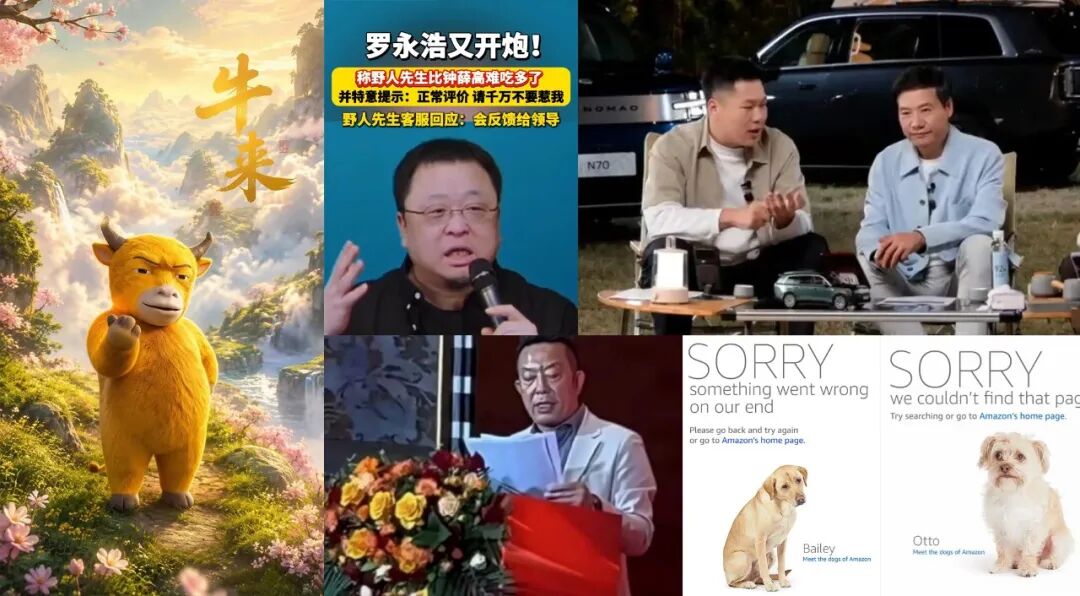
AI assistants fight in a melee, “Niu Lai” is released across the country, Luo Yonghao “goes crazy” VS Mr. Savage “don’t answer”, Jia Guolong “suicides” to fight again, Lei Jun dares not eat noodles anymore, Amazon “leave the dog to beg for mercy”…It is both public relations and marketing. It is very far and very close. We can witness with our own eyes the “rise and fall of buildings” one after another.
Among them, the starting point of “upstream” is particularly important.
Starting point 1: We need to learn to understand how people form their dreams, how they take action and put them into action.If we can help people become the better versions of themselves they want to be, we will be a true marketer in the AI era.
Starting point 2: Believe that creative people can change the world.CMOs and every marketer can become that person and change more things than they imagined.
Starting Point 3: We can’t change anyone.Therefore, always asking yourself “who are you preparing for?” This can allow us to focus more on effective marketing actions rather than spending money lavishly.
Starting point 4: Culture is more important than strategy, because culture itself is strategy.If you want to make change happen, you must first shape the cultural foundation, first organize a close-knit group, and first get people on the same page.
Starting point 5: The essence of marketing is altruistic value.Instead of using customers to solve their own company’s problems, marketers use marketing to solve other people’s problems.
Starting point 6: The external voice is greater than the brand’s self-certification.What we say is more important than what others say. And this “others” now also includes AI.
The above are the six cognitive starting points for new marketers in the AI era. If you want to make a real change, you can start with ten “identity” transformations.
2. Start by changing yourself: Ten major changes for CMOs
Marketing is very different than it used to be, but our definition and understanding of marketers has not kept pace with the times. When facing uncertainty, instead of worrying about the right and wrong methods, it is better to start with the “turn” of one’s own identity.
▎Turn 1: From executing marketing to creating the market
The starting point for most marketers is based onAlready have a market. How big is the market? What customer groups are they divided into? What’s our share? How to position yourself against competitors?
The starting point of market creators’ thinking is completely different:What can this market look like in the future?
They anticipate trends and pay attention to changes in user behavior, new technologies, unmet needs, and constantly changing business logic. Rather than being trapped by existing industry boundaries, we actively draw new boundaries.
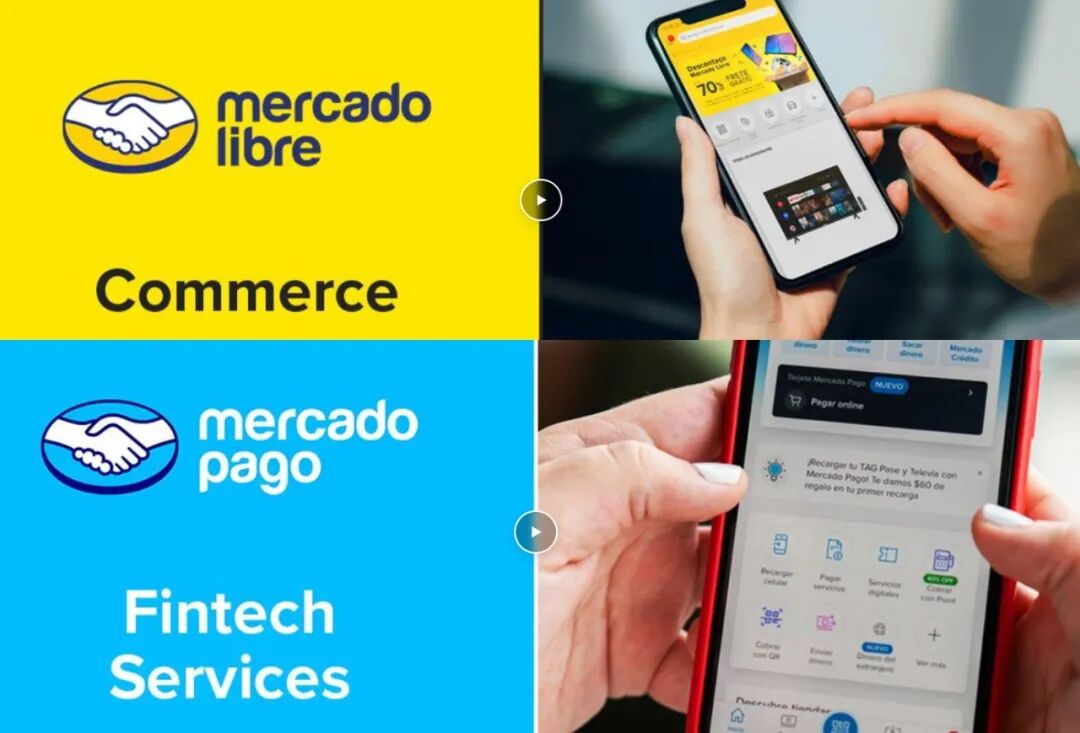
Take Mercado Libre as an example. It cannot be simply defined as a Latin American e-commerce platform.It connects e-commerce transactions, payments, credit, logistics, and advertising, and builds a large amount of underlying infrastructure for the operation of the Latin American digital economy.Kantar BrandZ ranks it as a representative global high-value brand in Latin America.
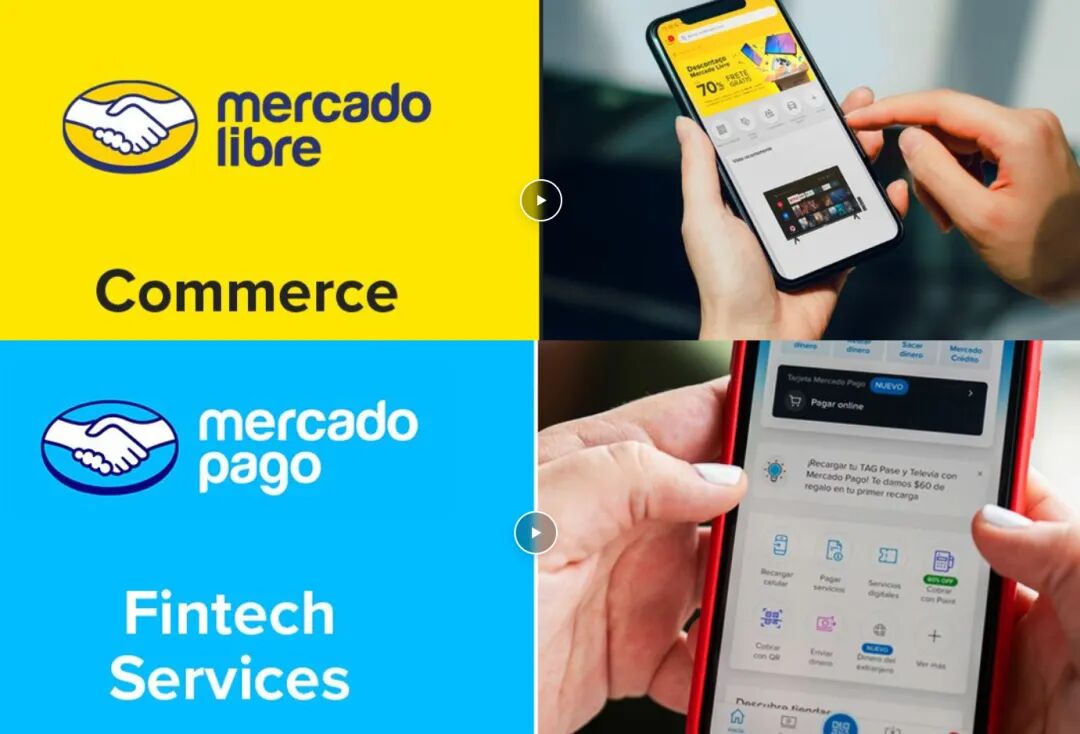
▶CMO transforms into a market creator.
Identity is given by yourself. The new identity means that everyone must proactively explore opportunities and create demand, rather than just competing for existing demand in the stock market.
▎Turn 2: From building brand awareness to building brand attraction
For a long time, marketers have been obsessed with popularity, breadth of reach, and mental exposure.。These indicators are still important, but they are no longer sufficient.
A more worthy question is——Why do users take the initiative to approach us?
Brand gravity comes from the collection of meaning, emotion, identity, trust and differentiation. It allows users to actively choose brands, be willing to recommend them to others, and be willing to accept the brand to extend new business.
Lei Jun and his Xiaomi can be said to be the best case. The business started with smartphones and relied on fan participation to gradually develop a huge ecosystem covering connected devices, wearable hardware, smart homes and electric vehicles. A brand is not just a label affixed to a product, but a unified core for the ever-expanding business system.
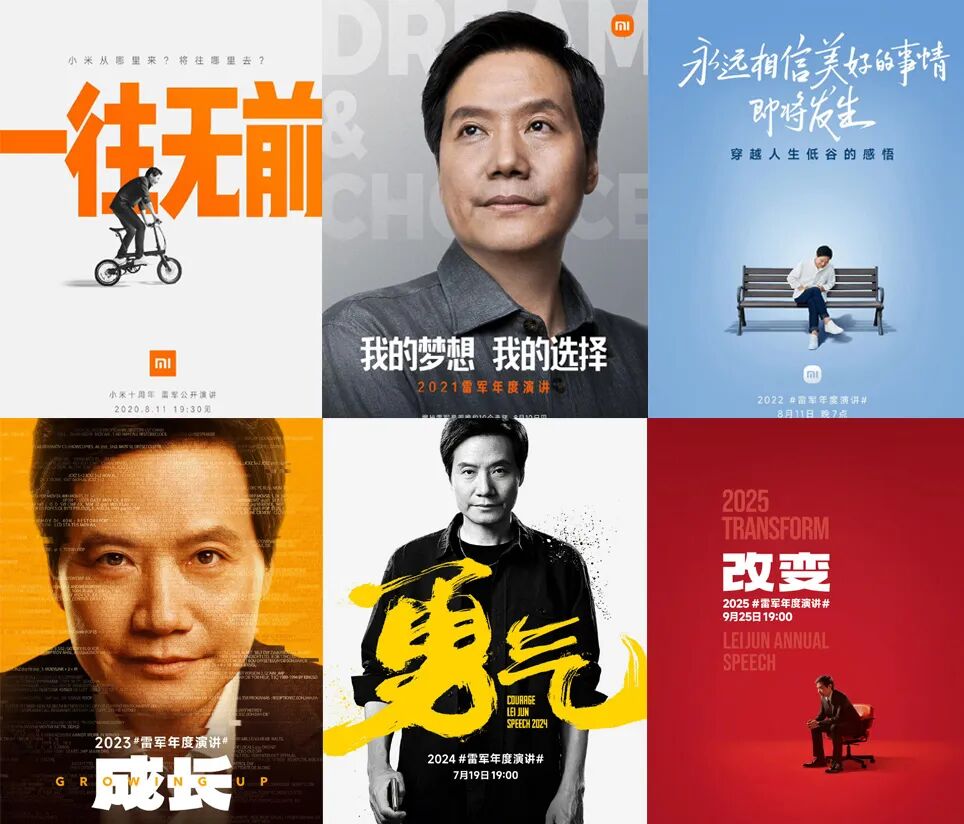
Entering the AI era, this matter has become particularly important. Kantar issued a warning:When AI is deeply involved in consumer decision-making, brands without their own ideas and beliefs can easily be buried in massive amounts of homogeneous information.
▶CMOs need to transform into brand believers.
This is very important. The value core created by marketers must not only attract real users, but also win the favor of the algorithm.
▎Turn 3: From being user-centered to seeing the potential of users
Being user-centered is an important revision to the past product-oriented model. But this line of thinking can easily make people become conservative. If you ask customers directly what they want, the answers you get are often limited to what they already know about the world.
Market creators combine user insights and imagination.
The Brazilian beauty brand Natura breaks out of the inherent demand framework of the beauty category and binds the skin care and beauty business with issues such as physical and mental health, biodiversity, interpersonal connection, community co-construction, and environmental restoration. Its understanding of users’ lives is broadened, and the brand’s value proposition is opened up.

The question to ask now is,It’s no longer just “What does this group of users need now?”, but “What will be valuable to this person in the future?”
▶The CMO transforms into a user future insight officer.
Think about it differently, marketers, no longer need to study whether the user needs a quarter drill bit or a quarter hole, but to see what kind of space the user wants to decorate or what kind of changes they want to make.
▎Shift 4: From product innovation to value innovation
A common question.
Innovation cannot be left entirely to the R&D department – many times marketing gets involved too late. After the product is produced, marketing is required to refine selling points, target audiences, and plan launch communications.
This order needs to be reversed.Starting from changes in people’s lives, new contradictions in society, and unreleased possibilities, we integrate user insights, technology, design, branding, and business imagination.
elf Beauty is a very convincing case. Its advantage is not just cost-effective cosmetics or wonderful communication on TikTok – the brand keenly captures cultural signals and user opinions, moves quickly, and combines innovation and user participation. Continue to launch cross-border cooperation and continue to break the traditional boundaries between skin care, makeup, pop culture and entertainment.
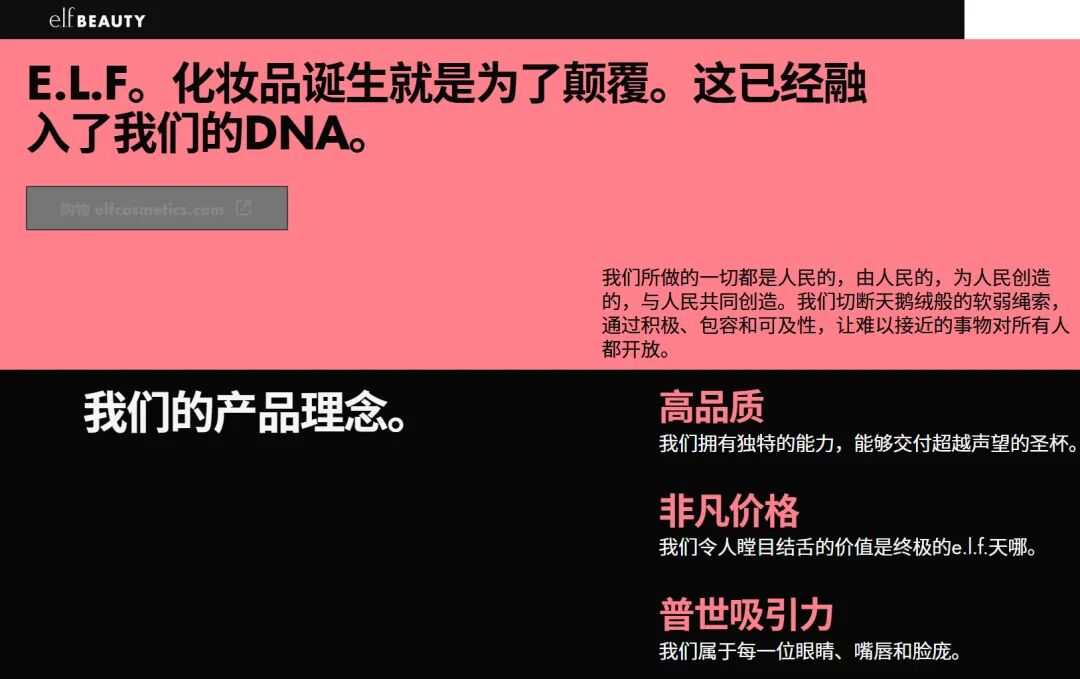
▶CMO transforms into an innovation catalyst.
This is marketing, transforming insights and imagination into tangible new value.
▎Turn to 5: From value proposition to value ecology
Many users’ needs go beyond what a single product can solve.The next generation of competitive advantages increasingly comes from the interconnection of capabilities, rather than all capabilities being held by the enterprise itself.
Many current user needs can no longer be solved by a single product. The competitive advantage of brands in the future will no longer come from the enterprise taking over all capabilities alone, but from the interconnection, synergy and complementation of multiple capabilities.
Grab started as a travel service in Southeast Asia, but it saw a greater user demand behind taxi-hailing: to make daily consumption and life in the city more efficient and convenient. Based on this, it extends a series of supporting services such as takeout, express delivery, payment, and finance.
Its strategic thinking is no longer “What more products can we sell?” but “What other social life problems can we solve?”
▶CMO transforms into an ecological coordinator.
Platforms, partners, and ecological networks have thus become an integral part of the marketing strategy, helping brands implement richer value commitments.
▎Turn to 6: From marketing model to growth architect
Truly disruptive brand value often requires new operating methods to create, deliver and monetize.
Therefore, marketing is no longer a back-end communication link and must be deeply involved in the design of business models:Subscription mechanism, membership system, trading platform, value-added services, usage rights model, pay-per-performance, and ecological business logic.
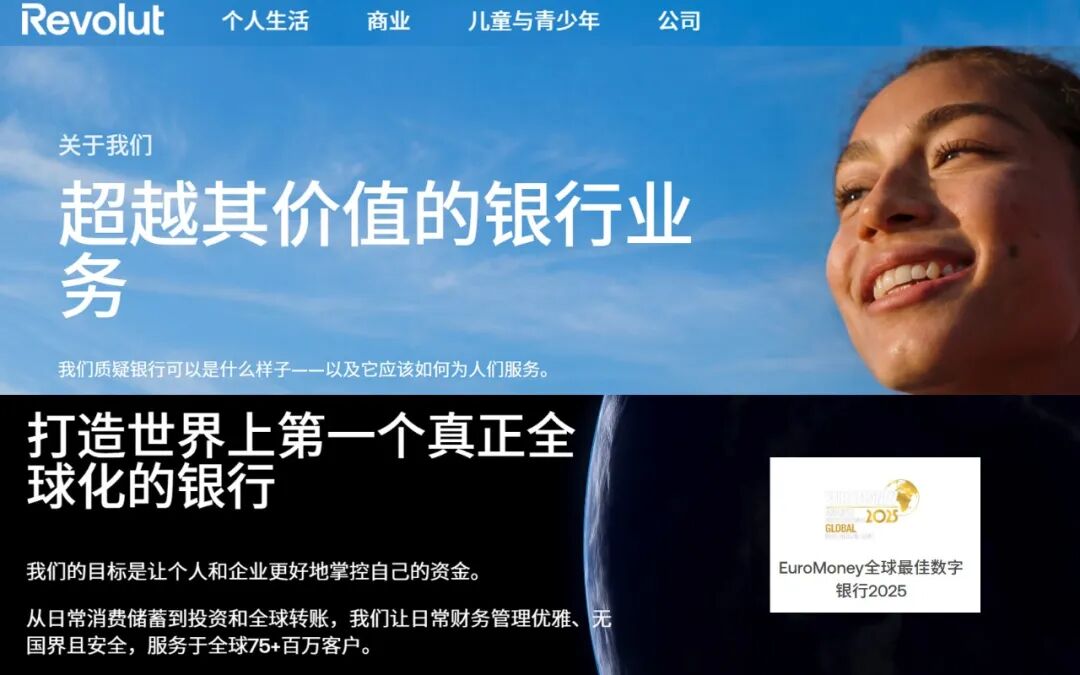
British digital bankRevolut,It’s not just about moving banking services online for marketing. It is constantly broadening the boundaries of financial services, from foreign exchange exchange, daily payments, savings and investments, to travel rights, subscription services and other new scenarios. As of August 2026, the business covers 40 countries and has 75 million users.Its brand proposition has always been iterated in sync with its business model.
▶CMO transforms into a growth architect
Growth architects must think about three core questions simultaneously:What value can we create? How to implement and deliver value? How to achieve sustainable returns?
▎Turn 7: From customer journey to living experience
Needless to say, marketing funnels are a relic from the old days.
There is no fixed order in the user’s behavioral path these days. You may find a product on Douyin, consult with an AI assistant, read discussions on Xiaohongshu, go to an offline store to experience it, and finally place an order on a trading platform, and then join the community.The order is completely unpredictable.
McKinsey proposed that this change in user behavior is pushing marketing away from the single-campaign model and towards continuous growth. Behind it lies five core capabilities:User insight, creative production, personalization, intelligent agent business, and full-link collaborative scheduling.
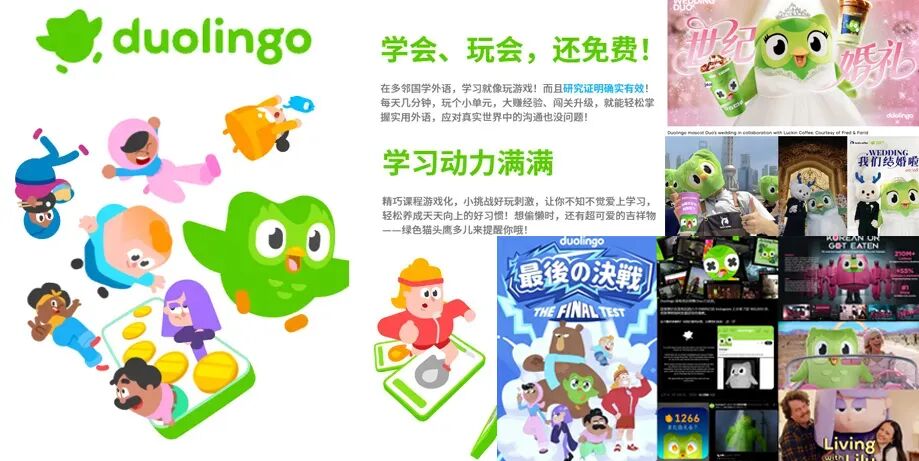
Duolingo is a good example. Course learning, message reminders, humorous Owl IP, social content, and cultural hot spots are integrated with each other to form an uninterrupted and complete experience.
Transformation of CMO into Experience Scheduling Officer
Marketing is not a link outside the product. The product itself is the communication medium, dialogue window and brand stage.
▎Turn to 8: From social media operations to operating circle culture
Too many brands regard social media as another broadcast channel: constantly producing content, accumulating fans, and keeping a close eye on various interaction data.
But the core of social media is not media, but culture.
Good brands can understand online conversations, internet memes, group rituals, identity expressions, creator ecology and social trends. Know when to participate in co-creation rather than intruding and interrupting users.
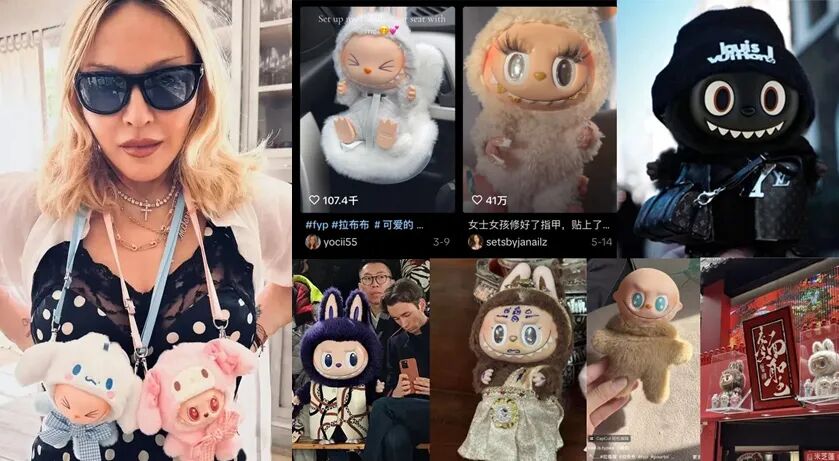
Bubble Mart is one of them. IPs like Labubu are not just toy products. Relying on collectible attributes, scarcity, offline stores, social communication and fan circles, they have slowly grown into a cultural phenomenon. This is exactly the market creation that relies on cultural values.
▶The CMO transforms into a cultural navigation officer.
Kantar data shows that the net proportion of marketers who plan to increase creator marketing budgets in 2026 is 61%, but currently only 27% of talent content can be deeply tied to brands.This shows that brands should reduce fragmented single cooperation with experts and instead build a continuous and coherent cultural content position.
▎Turn to 9: From building an audience to co-building a new community
Audiences are just people who passively receive content.A community is a group of people who are connected to each other based on the brand.This simple distinction is rewriting marketing logic.
New communities can bring a sense of belonging, identity, spontaneous communication, mutual learning, and collaborative co-creation. Users transform from the target group receiving information into participants.
Kantar research shows that nearly 40% of consumers trust recommendations in micro-communities to the same extent as recommendations from acquaintances. In the Chinese market, brands that build knowledge-sharing micro-communities have an average marketing ROI that is 25% higher.
Lego, Lululemon, Airbnb, NIO, Angpai, Bandit, Patagonia, Road Shop, Jump to the Sea Bar.Community is a group power that can transform brand concepts into social aspects.
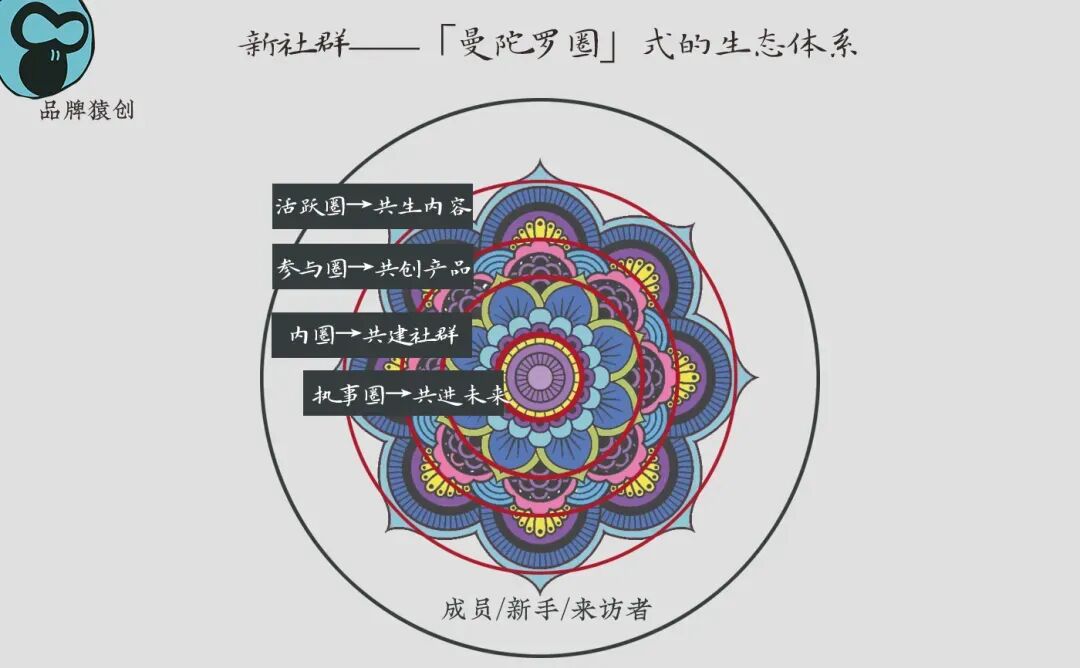
▶The CMO transforms into the person in charge of community co-construction.
As a reminder, the new community mentioned here is not a membership system, a WeChat business group, or a private circle, butBrands bring a certain type of people together with clear values. They empower and connect each other, act together for a noble cause, continue to innovate, and evolve together.
▎Turn to 10: From Chief Marketing Officer to Chief Market Creator
The previous nine major turns finally converged into the tenth point——The position of CMO itself needs to be redefined.
Deloitte’s 2026 survey clearly points out that the boundaries of CMO responsibilities continue to expand.Revenue growth is becoming marketing’s core responsibility。But the broadening of responsibilities does not mean simply increasing the workload, but moving upstream of the business.
The CMO of the future will be at the intersection of strategy, customers, brand, innovation, experience, technology, culture and growth.
L’Oreal is the benchmark among super companies. Its Beauty Tech system connects scientific research product innovation, AI, personalized services, digital services, creator ecology and user experience. Here, marketing is no longer a publicity link in the final stage of product innovation, but the understanding of users and the conception of the brand will directly promote the direction of innovation.
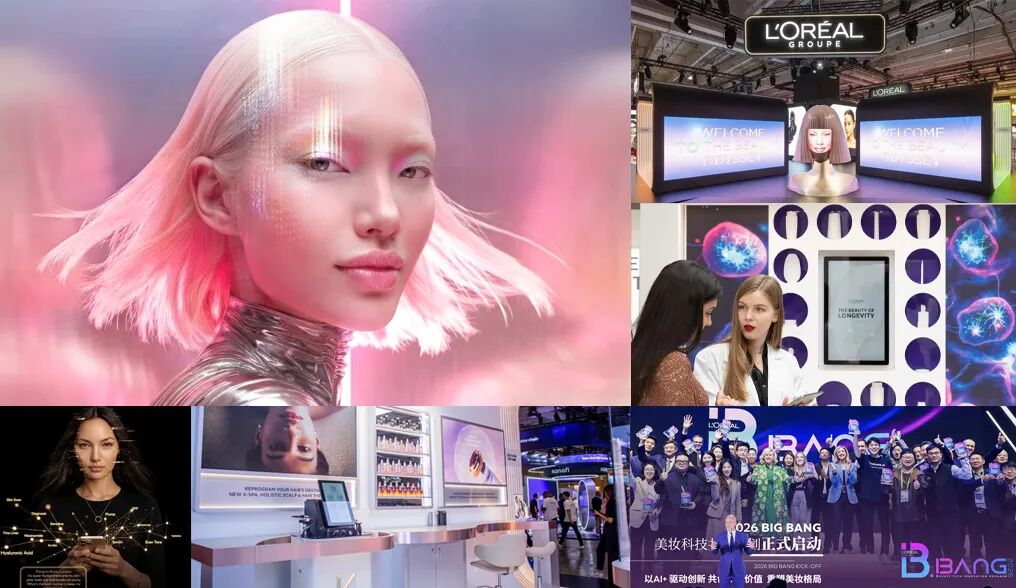
▶The CMO has evolved into the chief market creator.
The job title may still be CMO, but the way of thinking at the bottom is completely different.
3. AI is a multiplication tool, not a strategy itself
Among the top ten identity turns, we do not have single-row AI. Because AI should not be just an extra box on the marketing organization chart, it should penetrate into every link.
AI can strengthen trend prediction and user insights, accelerate the pace of innovation, implement large-scale personalized experiences, dynamically generate and evaluate ideas, assist in ecological planning, and continuously iterate and refine value propositions.But AI cannot replace imagination.
McKinsey data is very enlightening: 90% of CMOs are trying AI-related projects, but less than 10% have implemented them on a large scale.The real sticking point is not technology, but the self-transformation of the organization.
Deloitte’s survey gave complementary conclusions: In the 2026 survey, marketers believed that compared with advanced technology,The right talent is about six times more likely to be a core driver of revenue growth.
AI acts as an intelligence multiplier, and human insight and creativity are the true source of value for brands.
4. We are different and we will make the world a better place
We have seen that many CMOs of pioneering companies around the world are working hard to “move upstream.” They are distributed around the world and belong to different industries, but they have one thing in common –Marketing is not limited to the function of promoting existing products.
Over the past few decades, the marketing industry has been proving that marketing investment can bring ROI to win the attention of management. This matter is still important, but it is no longer enough to support future competition.For greater opportunities, one must “go upstream”.
It is by doing this, and only by doing this, that people will understand that we marketers are different and that our work will make the world a better place.

TCL promotional video “Upstream”
Finally, let us briefly summarize this set of transformations:
See opportunities in advance before the market takes shape;
Understand the unspoken demands of users;
Create a meaningful and attractive brand;
Combining innovation with human potential;
Transform ordinary users into communities and upgrade social platforms into cultural fronts;
Build an ecosystem and business model to deliver value propositions that did not exist in the past.
The future does not belong to those companies that make existing marketing better, but to those companies that proactively define the next stage of the market.Market creator, this is also the new identity of this generation of CMOs.
Author’s public account: Brand Yuan Chuang (ID: brand-yuan)
For more exciting content, please visit Shuying.com – Article Channel – Project Channel – Recruitment Channel


